Plumbing Services in Grand Forks, ND
Reliable plumbing solutions for Grand Forks homeowners.
Call (888) 205-7875
Reliable plumbing solutions for Grand Forks homeowners.
Call (888) 205-7875
Home to the University of North Dakota and thriving residential communities along the Red River, Grand Forks demands plumbing solutions that withstand bitter northern winter temperatures and heavy spring river runoff.
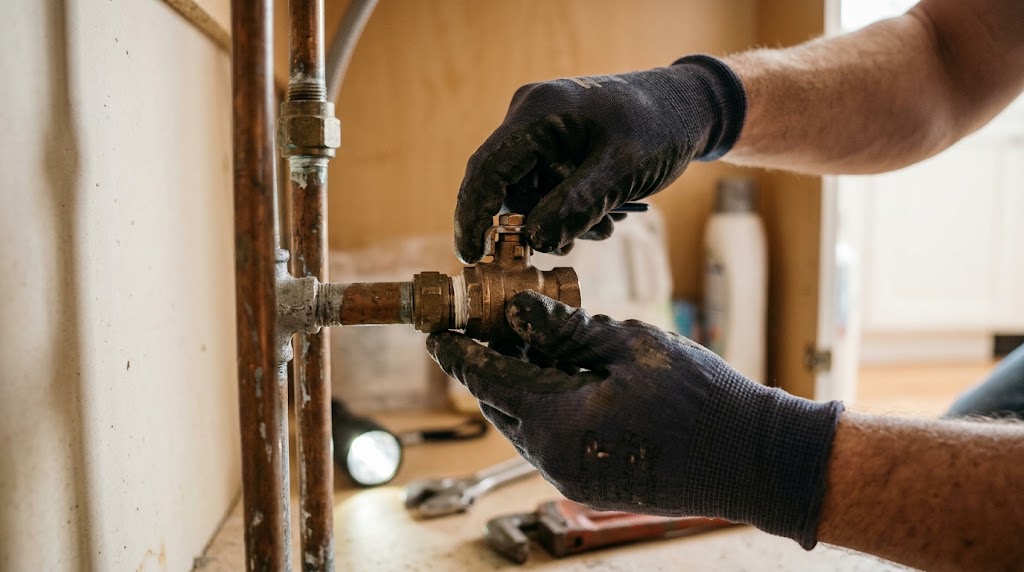
Grand Forks occupies the northern stretch of the ancient Red River Valley basin. With the Red River flowing northward toward Canada, spring breakup occurs down south first, creating seasonal backwater conditions and high groundwater tables across Grand Forks. Consequently, residential basements rely heavily on properly maintained perimeter drain tiles, check valves, and high-capacity submersible sump pumps.
Following historical flood mitigation projects, the City of Grand Forks enforces rigorous plumbing codes regarding backwater prevention. In many neighborhoods, residential sewer laterals require inline backwater check valves to prevent surcharging municipal sewer mains from forcing wastewater back through basement floor drains and toilets during heavy storm runoff. We inspect, clean, and install flapper-style backwater valves to safeguard lower-level living spaces.
Winter in Grand Forks is exceptionally harsh, with wind chills frequently dropping below -35°F. Ground frost depth regularly penetrates 6 feet into the soil. Water service lines entering basements through concrete foundation walls require continuous insulation and thermal clearance. We specialize in non-invasive pipe thawing and durable PEX-A expansion pipe replacements that resist freeze-rupture under extreme northern conditions.
Our localized service workflow for Grand Forks properties includes:
During spring river rises or sudden cloudburst downpours, the city's sanitary sewer system can become hydraulically surcharged. A backwater valve acts as a one-way gate, allowing wastewater to exit your home while closing tightly if municipal sewage backs up toward your basement floor drains.
Due to prolonged subzero temperatures and northern exposure, winter frost in Grand Forks regularly reaches 6 feet deep, and can exceed 6.5 feet in cleared driveways or open yards without insulating snow cover. Municipal water services must maintain adequate depth to prevent freezing.
When outdoor temperatures drop well below zero, drain pipes traveling through unconditioned spaces or buried under cold concrete slab footings drop significantly in temperature. Cooking fats and greases solidify almost instantly upon entering the cold pipe, creating dense blockages that require mechanical clearing.